
Overview and Core Capabilities
Elementor is a visual, drag-and-drop page builder plugin for WordPress, renowned for its intuitive interface and extensive feature set. It offers both a free version (with basic widgets and templates) and a Pro version that unlocks advanced design, marketing, and eCommerce tools. As of 2025, Elementor powers over 18 million websites and is used by 13% of all global sites.
Key features include:
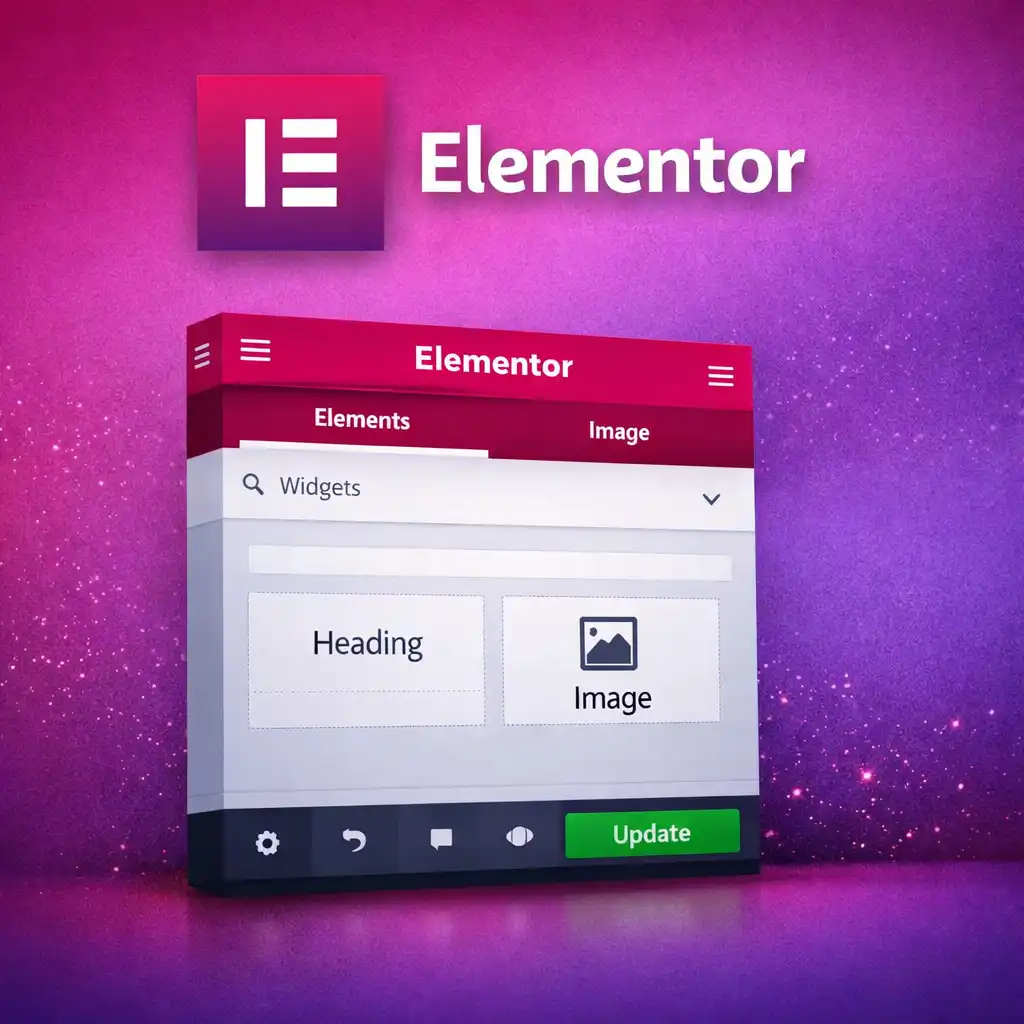
- Live Visual Editing: Real-time, front-end editing with a fixed sidebar for widgets and settings.
- Theme Builder: Full control over headers, footers, single posts, archives, and WooCommerce templates.
- 100+ Widgets and 1000+ Templates: Extensive library covering content, marketing, eCommerce, and dynamic data.
- Responsive Controls: Device-specific styling, custom breakpoints, and mobile-first design tools.
- AI Integration: AI Copilot for section suggestions, generative AI for copy and images, and accessibility fixes.
- Marketing Tools: Popup builder, form builder with integrations, conversion-focused templates, and role-based access.
- WooCommerce Builder: Deep integration for customizing product, cart, and checkout pages.
- Performance Features: Conditional CSS loading, DOM optimization, and image optimization plugins.
- Global Styles and Design System: Consistent branding and reusable design tokens across the site.
Elementor’s interface is widely regarded as beginner-friendly, yet powerful enough for professionals and agencies.
Pricing and Licensing Models
Elementor’s pricing is tiered by site count and feature access, with annual subscriptions and a new unified “Elementor One” plan introduced in 2025:
| Plan | Sites | Key Features | Annual Price (USD) |
| Free | Unlimited | Basic widgets, templates | $0 |
| Essential | 1 | Pro widgets, Theme Builder | $59 |
| Advanced Solo | 1 | WooCommerce, Popup Builder, Dynamic Content | $84 |
| Advanced | 3 | All Pro features, priority support | $108 |
| Expert | 25 | Agency tools, premium support | $199 |
| Agency | 1000 | Enterprise features, white labeling | $399 |
| One | 1 | Unified AI, image optimization, etc. | $168 (launch offer) |
| One Agency | Unlimited | All features, unlimited sites | $999 |
All paid plans include a 30-day money-back guarantee. The “One” plans bundle AI, image optimization, accessibility, and email deliverability under a single credit system.
Performance, Code Output, and Core Web Vitals
Elementor has historically faced criticism for code bloat and performance overhead, but recent versions (Editor V4+) have introduced significant optimizations:
- Conditional CSS Loading: Only necessary styles are loaded per page, reducing file size.
- DOM Optimization: Cleaner, flatter markup with fewer nested divs.
- Asset Loading Improvements: Minified and deferred JS/CSS, improved caching.
- Image Optimizer Plugin: AVIF/WebP conversion, lazy loading, and high-res support.
- Performance Benchmarks: Adds ~0.18s to load time and ~32MB to page weight compared to leaner builders, but can achieve Core Web Vitals compliance with proper optimization (caching, CDN, minimal third-party scripts).
Ecosystem: Add-ons, Templates, and Marketplace
Elementor’s ecosystem is unrivaled, with thousands of third-party add-ons, template kits, and integrations:
- Add-ons: The Plus Addons, Unlimited Elements, Dynamic.ooo, Happy Addons, and more, offering hundreds of extra widgets, AI tools, and workflow enhancements.
- Templates: 1000+ official templates, plus community and marketplace kits for every niche.
- Theme Compatibility: Works best with Hello Elementor, Astra, GeneratePress, Blocksy, and other lightweight themes.
- Marketplace: Extensive library of widgets, templates, and design assets for purchase or free use.
This ecosystem enables rapid prototyping, advanced functionality, and seamless integration with marketing, analytics, and eCommerce platforms.
Pros and Cons
Pros:
- Extremely beginner-friendly, with a shallow learning curve.
- Largest widget and template library.
- Deep WooCommerce and marketing integration.
- Massive ecosystem and community support.
- AI-powered features and accessibility tools.
- Regular updates and innovation.
Cons:
- Performance overhead on complex sites; requires optimization.
- Tiered, per-site pricing can add up for agencies.
- Some advanced features gated behind Pro or add-ons.
- Vendor lock-in risk; content portability is improving but not perfect.
- Occasional compatibility issues with certain themes/plugins.
Final Verdict: Is Elementor Worth It in 2026?
Yes, Elementor is still a powerful, flexible, and user friendly page builder, especially for users who want full visual control without coding. Its feature set is unmatched, and it’s ideal for agencies, marketers, and small businesses.
However, if speed and performance are your top priorities, or you prefer a lighter, more native WordPress experience, you may want to consider alternatives.
Elementor remains a top contender, just be aware of the trade-offs.